Introduction
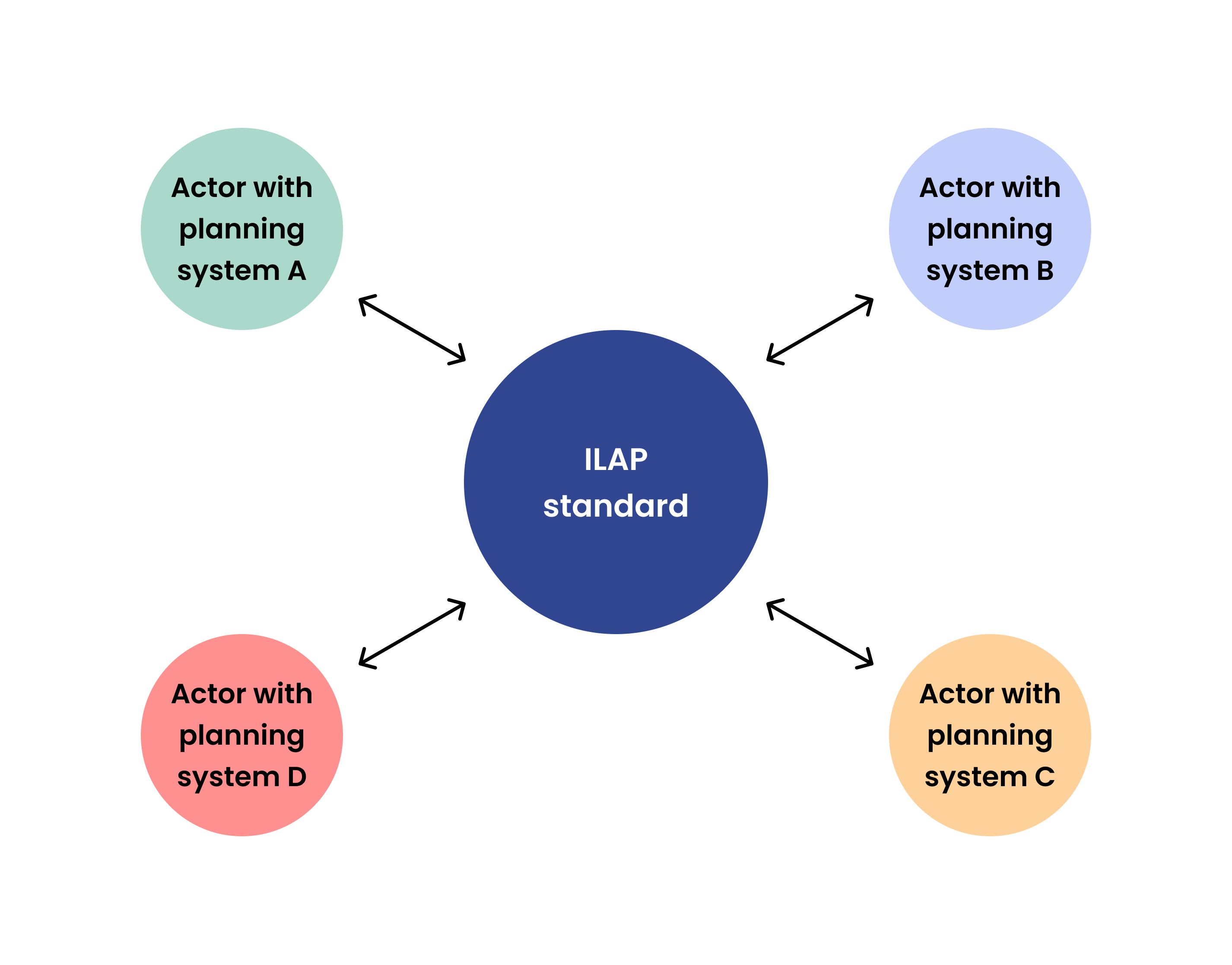
The ILAP ISO standard (ISO 15926-13:2018) is a globally recognized framework that defines an ontology and data exchange format for integrated asset planning across the lifecycle of process plants, including oil and gas facilities. By standardizing how lifecycle data is structured and shared, it enables seamless integration and communication between systems, ensuring efficiency and accuracy in asset planning processes. The ILAP Analytics application is made to use planning data in the ILAP ISO standard format.
What is the ILAP ISO Standard?
The ILAP (Integrated Lifecycle Asset Planning) standard, officially known as ISO 15926-13:2018, is part of a series of standards designed to support data integration for industrial automation systems. Specifically, this part focuses on the asset planning lifecycle for process plants, encompassing a range of activities such as design, operation, and maintenance. It is used extensively in industries like oil and gas, where precise planning and interoperability is critical.
The standard provides two key elements:
- Ontology for Asset Planning: A comprehensive framework that defines the relationships between various elements involved in asset planning, such as resources, activities, schedules, and calendars.
- XML Schema for Data Exchange: A standardized data format to facilitate the exchange of lifecycle data between different systems and organizations.
Purpose of the ILAP ISO Standard
The ILAP standard is designed to address the complexities of managing lifecycle data in large-scale industrial projects. Its primary goals include:
- Standardization of Data: Ensures that all parties involved in asset planning use a consistent data structure, improving clarity and reducing miscommunication.
- Interoperability: Facilitates seamless data exchange between diverse systems and platforms used by different organizations.
- Efficiency in Planning: Streamlines the asset planning process by providing a unified approach to handling activities, schedules, and resource management.
- Cost Optimization: Enhances decision-making by providing a clear framework for tracking scope, resource allocation, and progress.
Limitations of the ILAP ISO Standard
While the ILAP standard provides robust tools for asset planning, it does not cover every aspect of lifecycle management. For instance, the following are outside its scope:
- Standard classes of facilities, activities, and resources.
- Production planning and simulation.
- Hazard identification and risk analysis.
- Personnel training and management.
- Budgeting and cost allocation.
Was this article helpful?
That’s Great!
Thank you for your feedback
Sorry! We couldn't be helpful
Thank you for your feedback
Feedback sent
We appreciate your effort and will try to fix the article